


Contamination that crosses the borders of a region
The Zemplín region, especially the area around Strážske, is among the most seriously contaminated territories in Slovakia and has long been associated with polychlorinated biphenyls (PCBs). These are substances that were manufactured for decades at the Chemko Strážske plant and that left behind a vast amount of toxic waste in the soil, the water, the sediments and the food chain. That is why this area is often called the “triangle of death”.
PCBs in eastern Slovakia are not only a historical chapter of industrial production. It is a problem with long-term environmental and health consequences, and solving it requires a combination of technology, money, political will and patience. The contamination did not appear all at once, and it cannot be removed by a single simple intervention either.
How the problem in Strážske began
The story begins in the 1950s, when a large chemical plant started to be built in Strážske. It was originally focused above all on substances important for the defence industry; later the production programme was extended to other chemical products. In 1962 Chemko Strážske also began manufacturing polychlorinated biphenyls, the substances known by the abbreviation PCB.
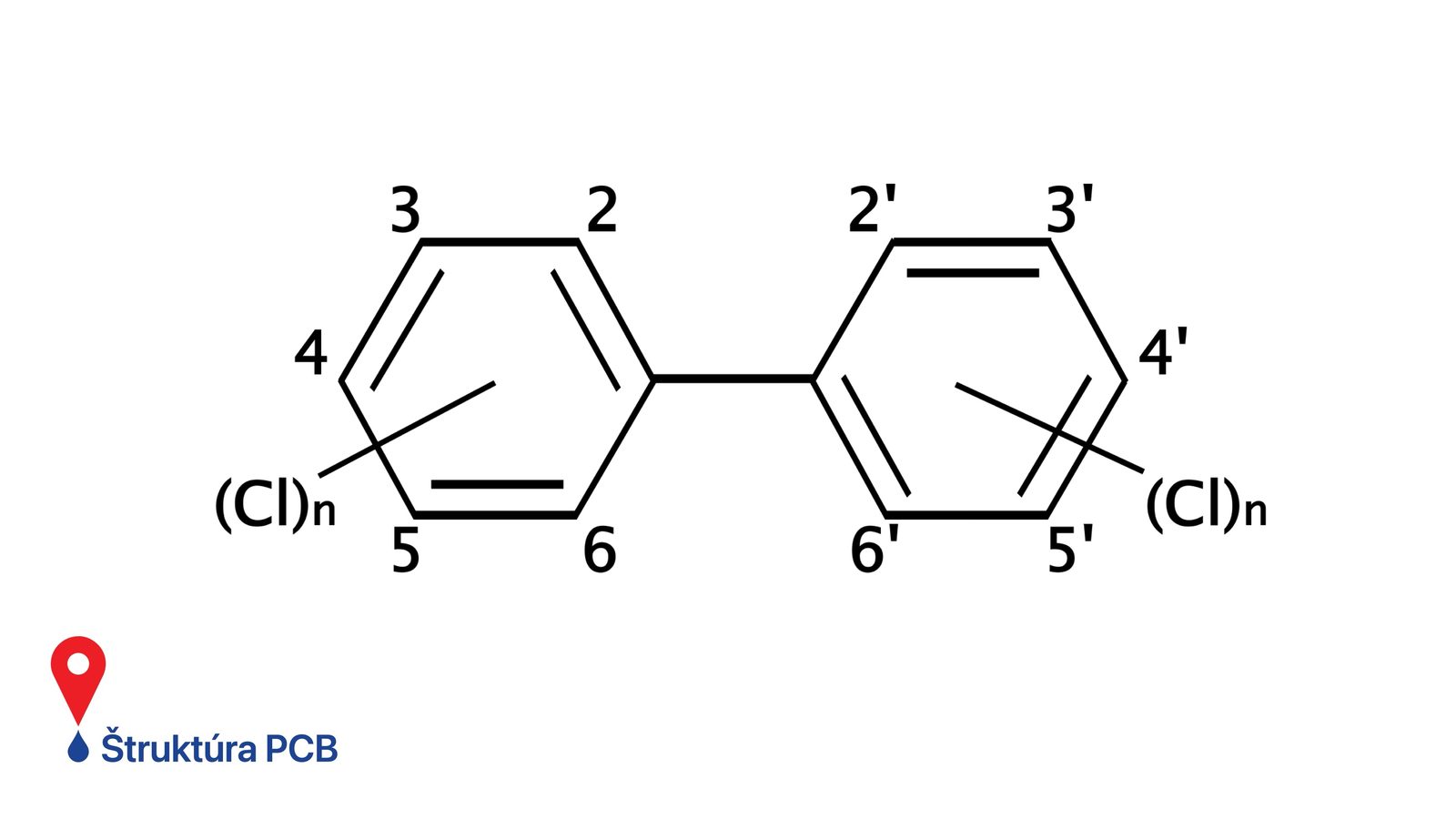
At the time these compounds were considered technically very useful. They were thermally stable, chemically resistant, non-flammable and had suitable electrical-insulating properties. They were therefore used, for example, in capacitors, as heat-transfer media and as a component of some coatings. The problem was that their extraordinary stability, which was an advantage in industry, later proved a fundamental disadvantage for the environment and for human health.
PCB production in Strážske continued even in the period when knowledge of their harmfulness was already growing around the world. More than 21,000 tonnes of these substances were manufactured there in total, with two types of product making up the main share. It was the scale of production and the way the waste was handled that made the contamination extraordinarily large.
What PCBs are and why they are so dangerous
Polychlorinated biphenyls are very persistent organic compounds that break down in nature only extremely slowly. Their danger does not lie only in acute toxicity, but above all in the fact that they accumulate in the environment and in the bodies of living organisms. They enter the soil, the water, plants and animals, and then humans as well. Because they are fat-soluble, they are stored in fatty tissue and can persist in the body for a very long time.
Their bioaccumulative effect is what is exceptionally serious. It means that even if the concentration in the environment does not look extremely high at first glance, these substances gradually concentrate in the food chain. A person can therefore encounter them repeatedly and over a long period, especially through food of animal origin. What is dangerous is precisely the long-term exposure, and the fact that the consequences need not be visible immediately.
How PCBs entered the environment
The contamination did not arise only from the use of finished products. A large problem was also the waste from production and the by-products, which for many years were handled in a way we now consider unacceptable. PCB manufacture produced various residues, acids and other contaminated materials that reached the surroundings directly or indirectly.
One route was the products themselves: PCBs were used in coatings, technical equipment and other applications, from which they could gradually be released. The second, much more serious route was production waste, which was stored in buildings and drums or entered the wastewater. The pollution thus spread into the soil, into channels and then into watercourses.
It was particularly serious that production also generated large volumes of contaminated by-products, which were then hauled away or used without sufficient knowledge of the risk. That means the problem did not stay closed inside the plant site, but gradually moved into the wider surroundings as well.
Contaminated water, soil and the food chain
One of the most serious problems is that PCBs from the sources of pollution entered waste channels, the soil, the Laborec and then the wider water system, including the Zemplínska šírava reservoir. Although concentrations in the water itself may be lower, these substances bind to sediments, plankton and other organisms in the water. From there they are carried into fish and other animals.
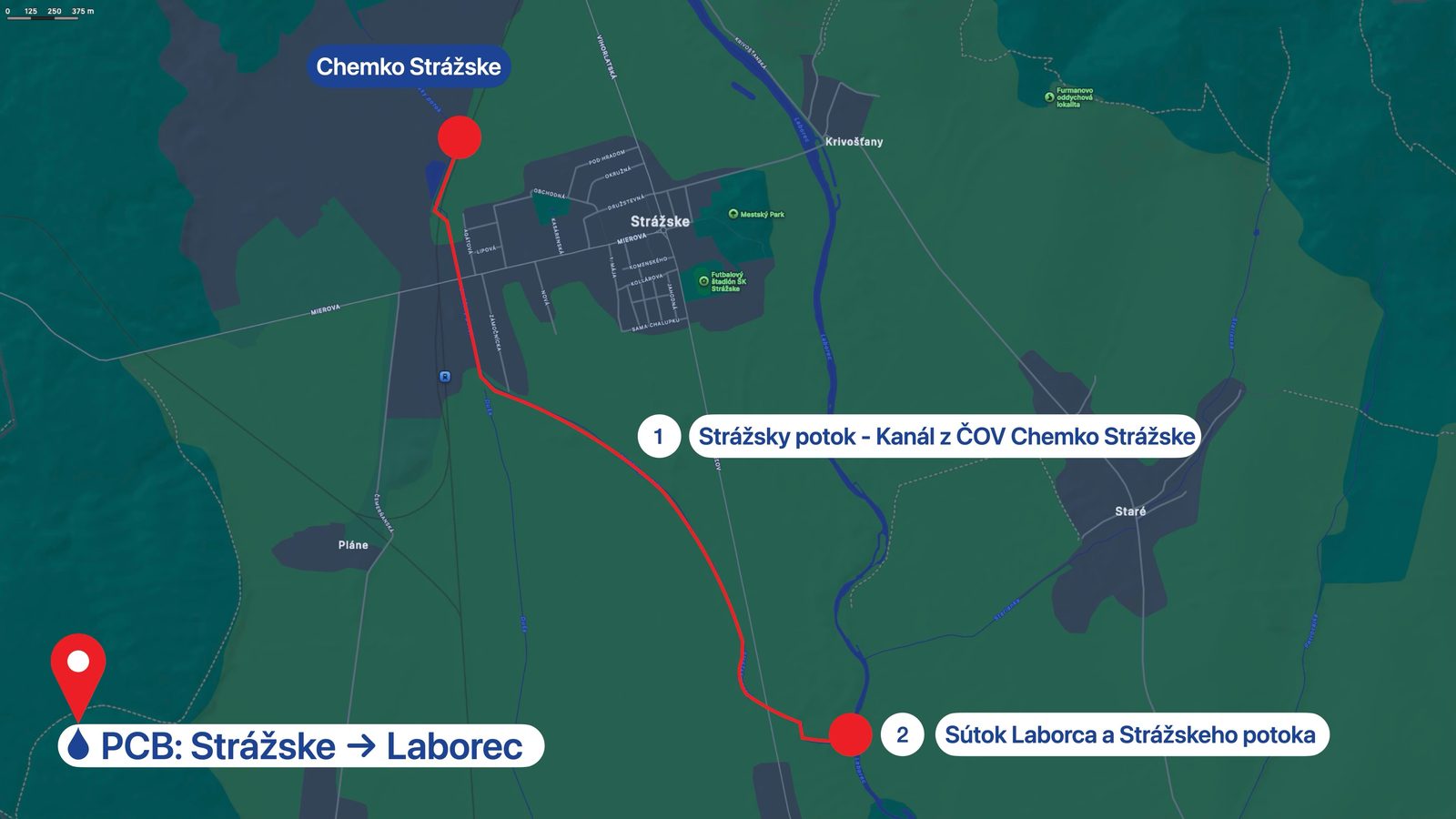
That is why it is clear that the risk cannot be judged by the water alone. It is much more important to watch what happens in the whole food chain. PCBs have been found in fish, in eggs and in other food coming from the contaminated environment. Once they enter the soil or the water, they can persist in the system for a very long time and return to circulation again and again.
A serious finding was also that higher concentrations were found in people who regularly ate fish from the area. That confirms that the main route by which PCBs enter the human body is food, not a one-off contact with water or soil.
The effect on residents’ health
The long-term presence of PCBs in the human body is a serious health risk. These substances break down very slowly and, once they enter the body, can persist for years. Their effects are not linked to only one specific illness, but to a whole range of possible problems that can appear gradually.
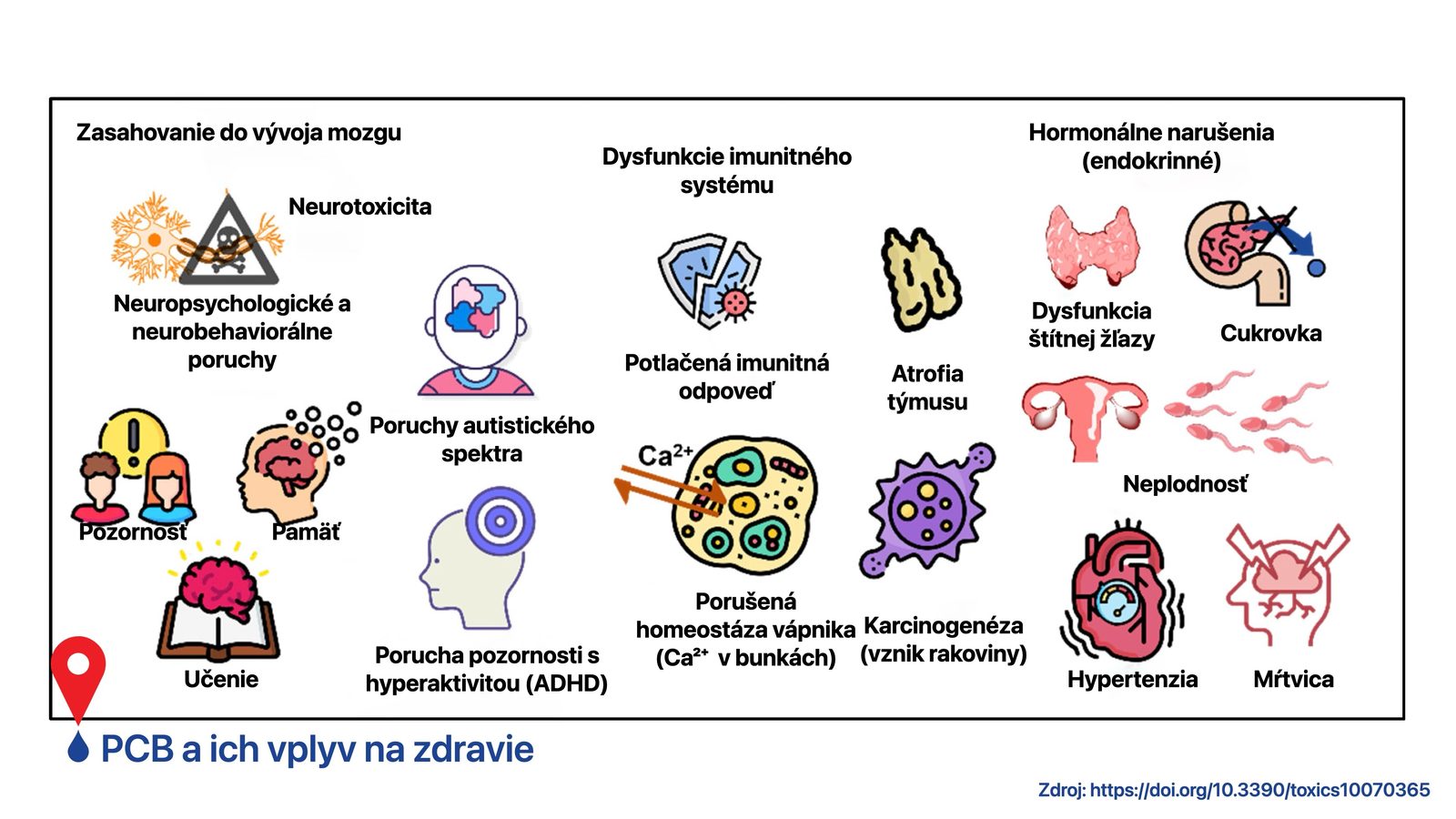
Effects on the hormonal system, reproductive health, children’s development, the nervous system and immunity are spoken of. There is also knowledge that some PCBs can affect fertility and disrupt processes controlled by hormones. A particularly sensitive subject is the presence of PCBs in breast milk, which shows that the contamination is passed on to the next generation as well.
The fact that the consequences are not immediate and visible makes the problem even more complicated. This is not a poisoning that shows itself from one day to the next, but the slow, long-term action of toxic substances. That is why it tends to be underestimated, and why it is harder for the public to grasp.
The largest sources of pollution in the area
In dealing with the situation, several main point sources of contamination were identified. Among those most often mentioned are the former piggery, the underground heating plant and the waste landfill, where contaminated materials and residues from PCB production were, or still are, located.
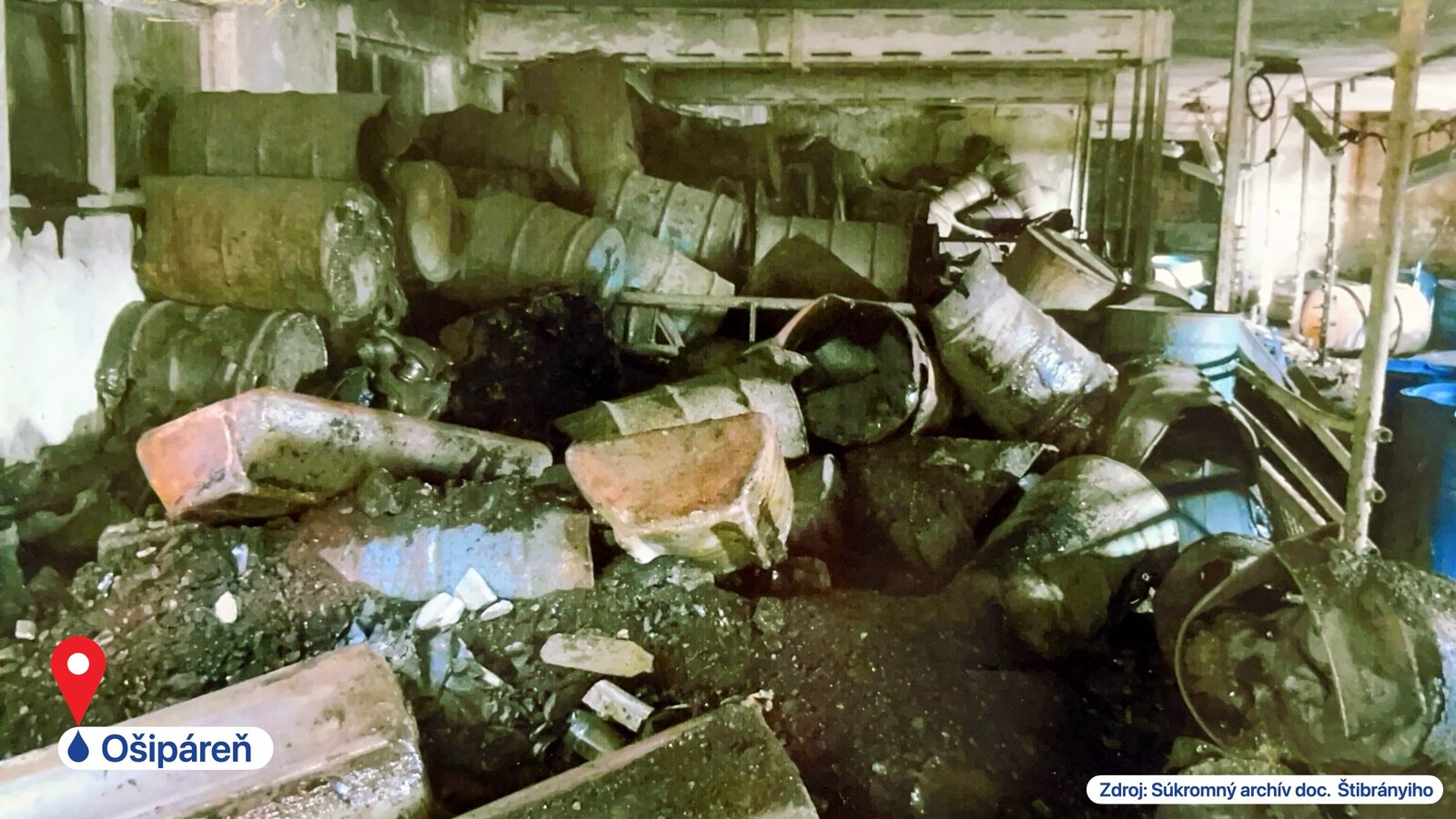
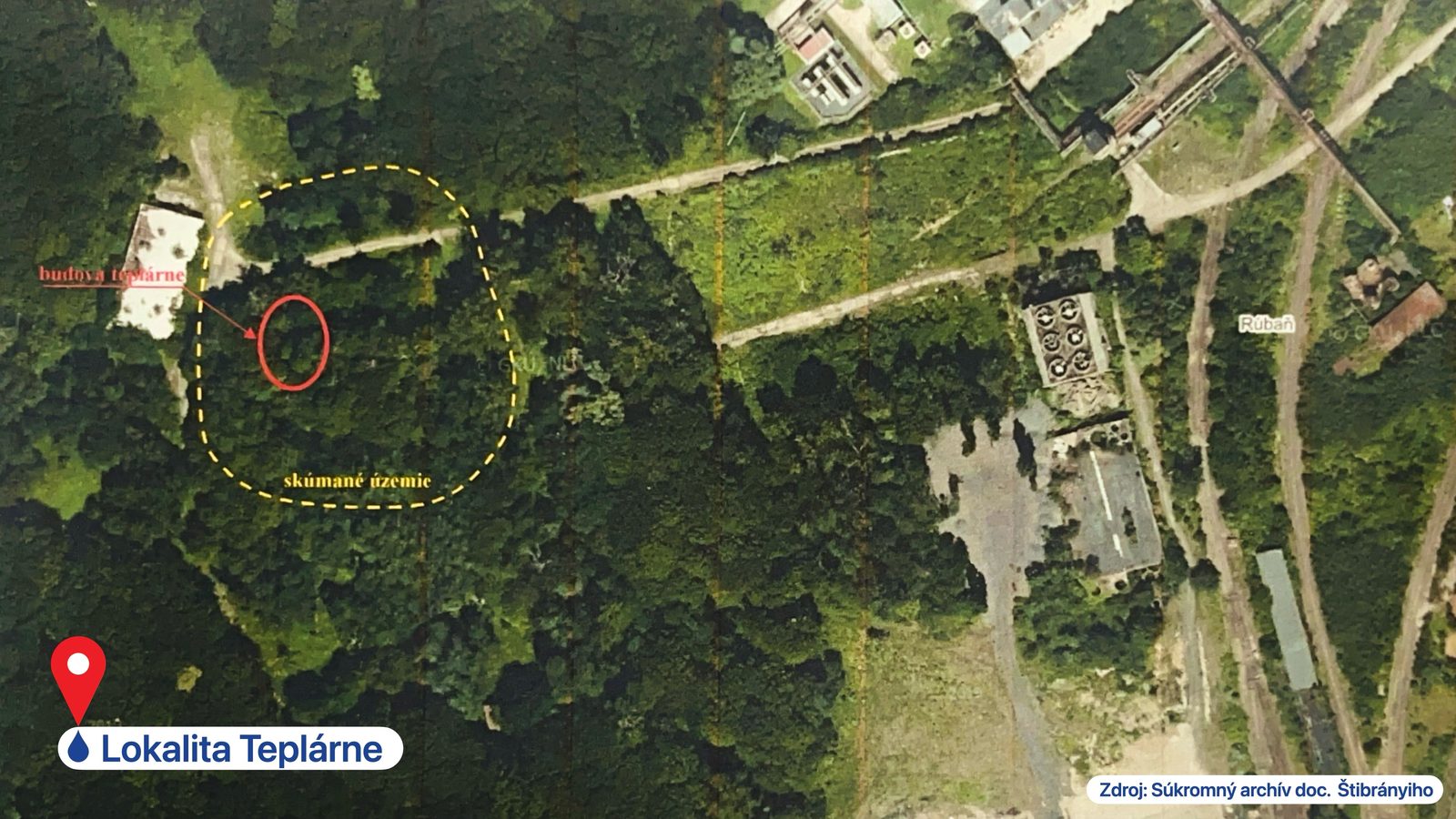
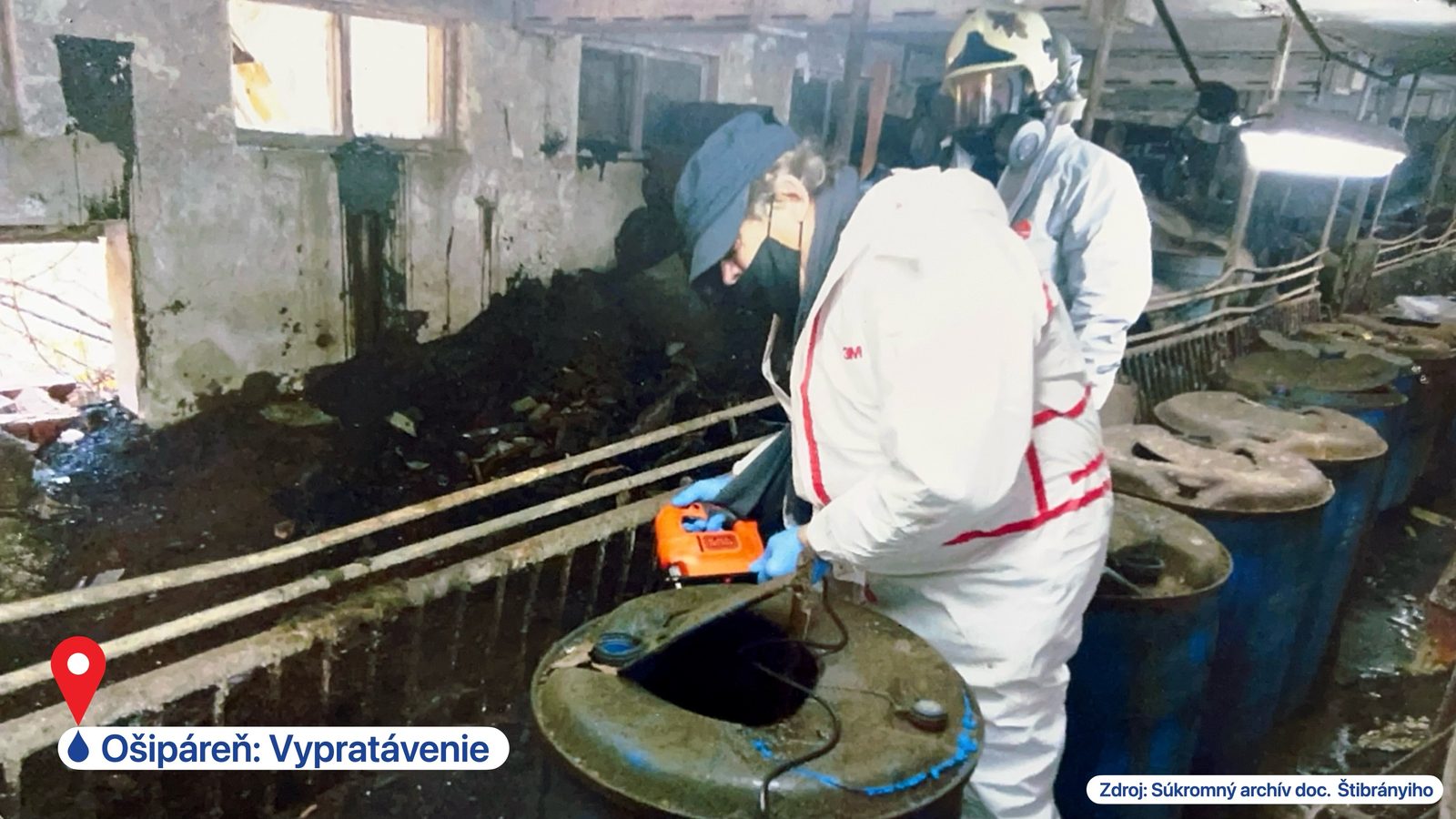
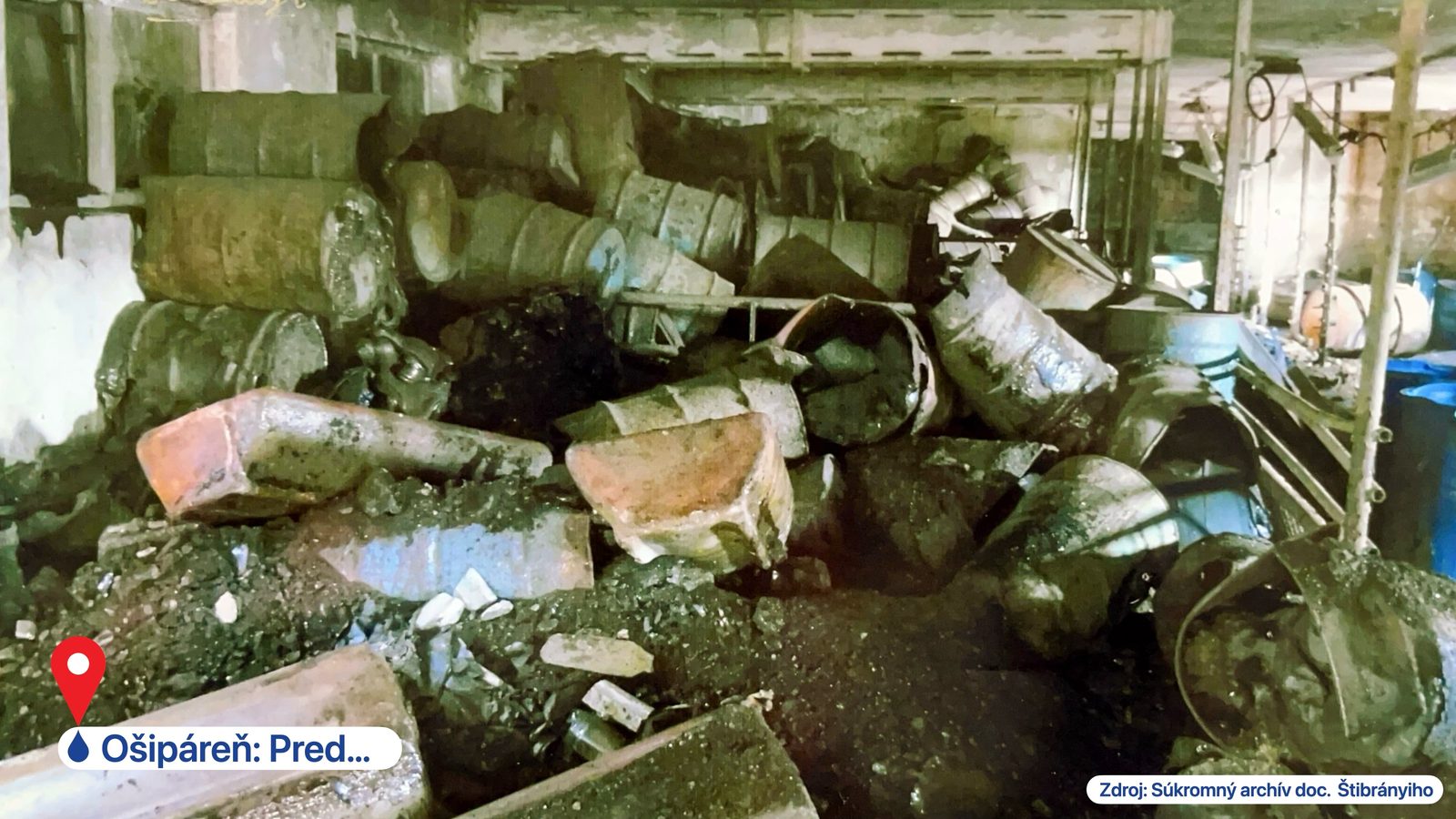
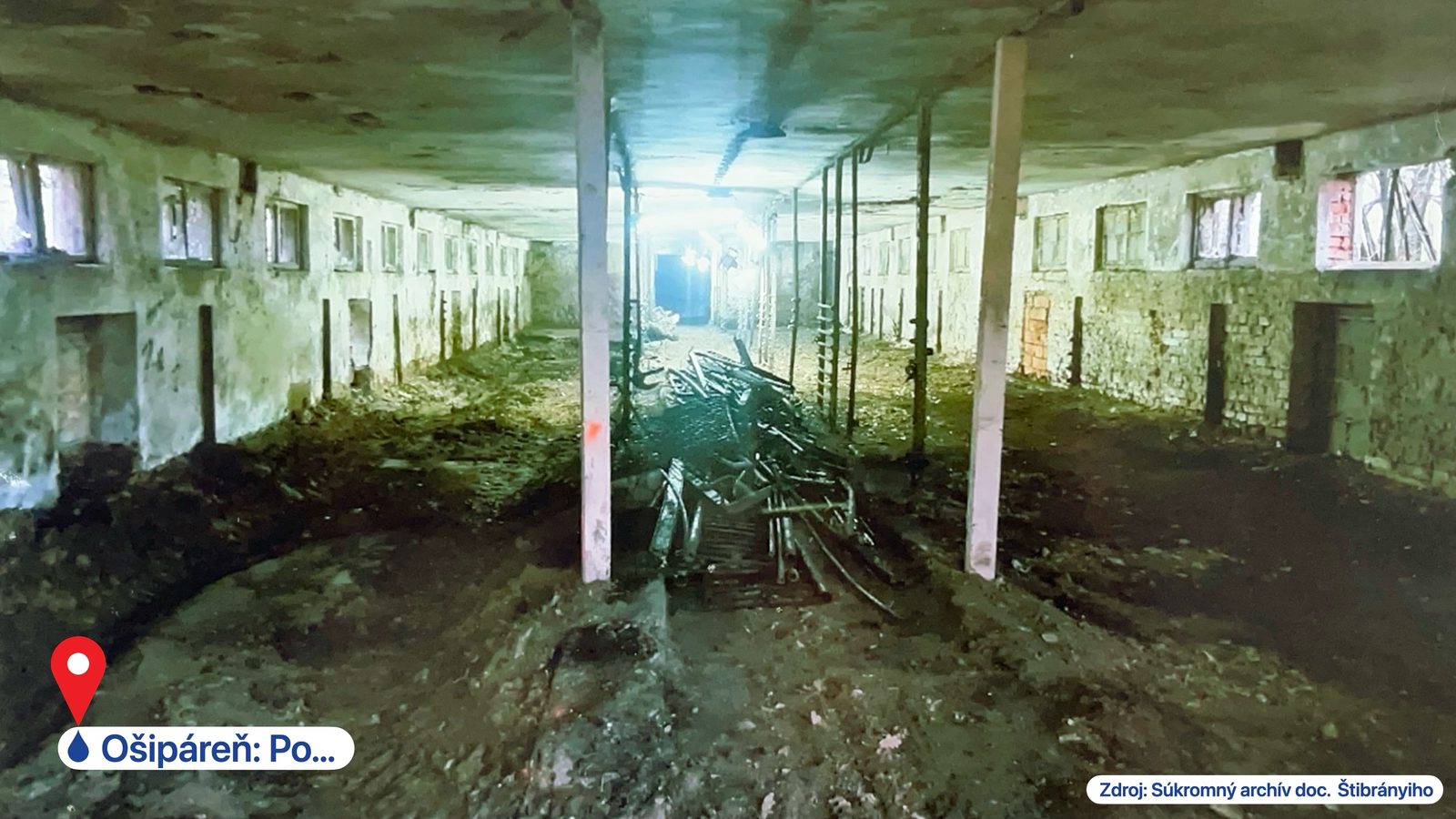
In the piggery, production waste was stored for a long time and piled up on the assumption that it would one day be processed. In the underground heating plant there were thousands of drums of distillation residues, that is, waste containing PCBs. A further problem was the landfills and the places from which contamination leaked into the surroundings, especially into the soil and the water.
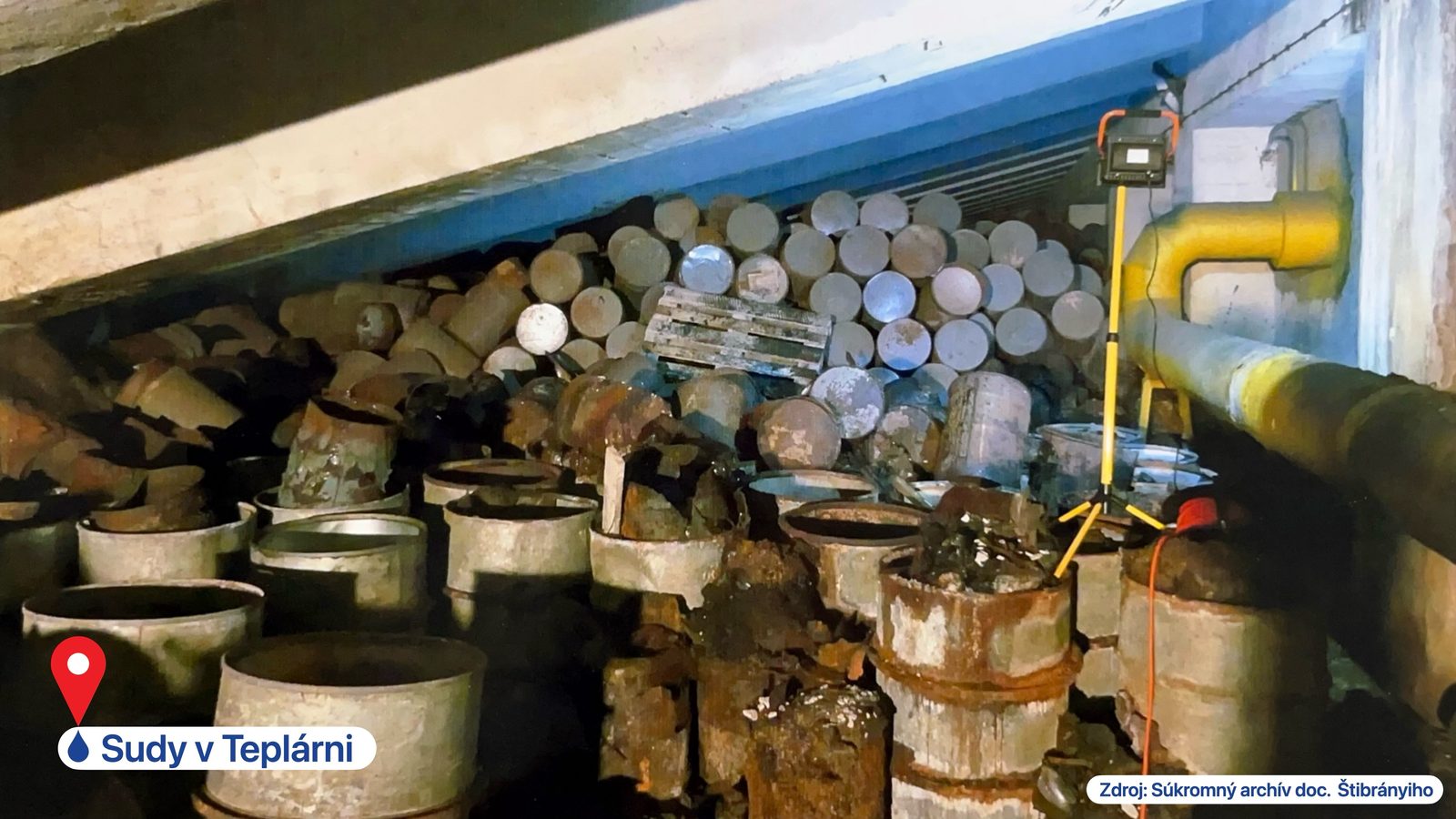
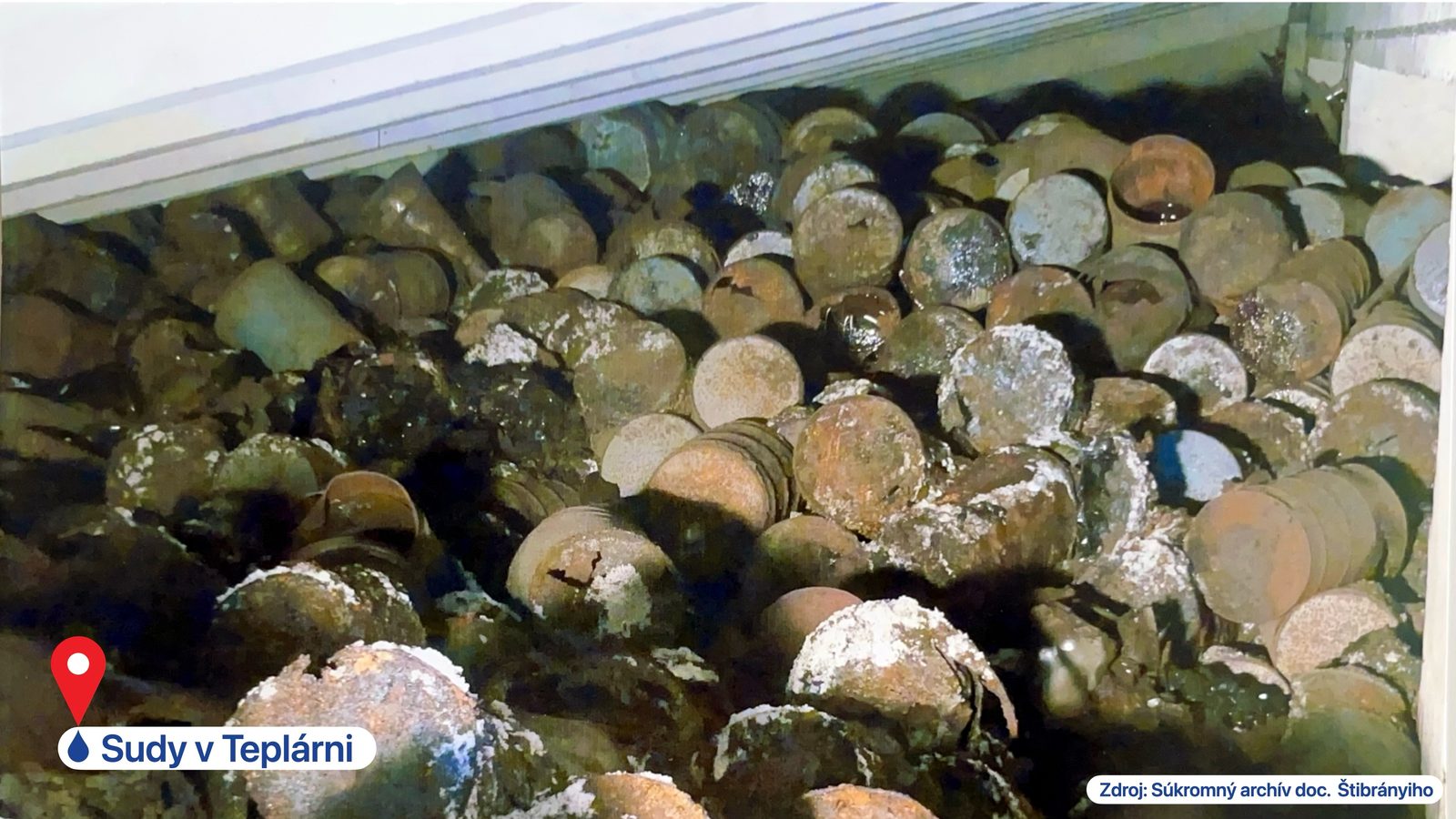
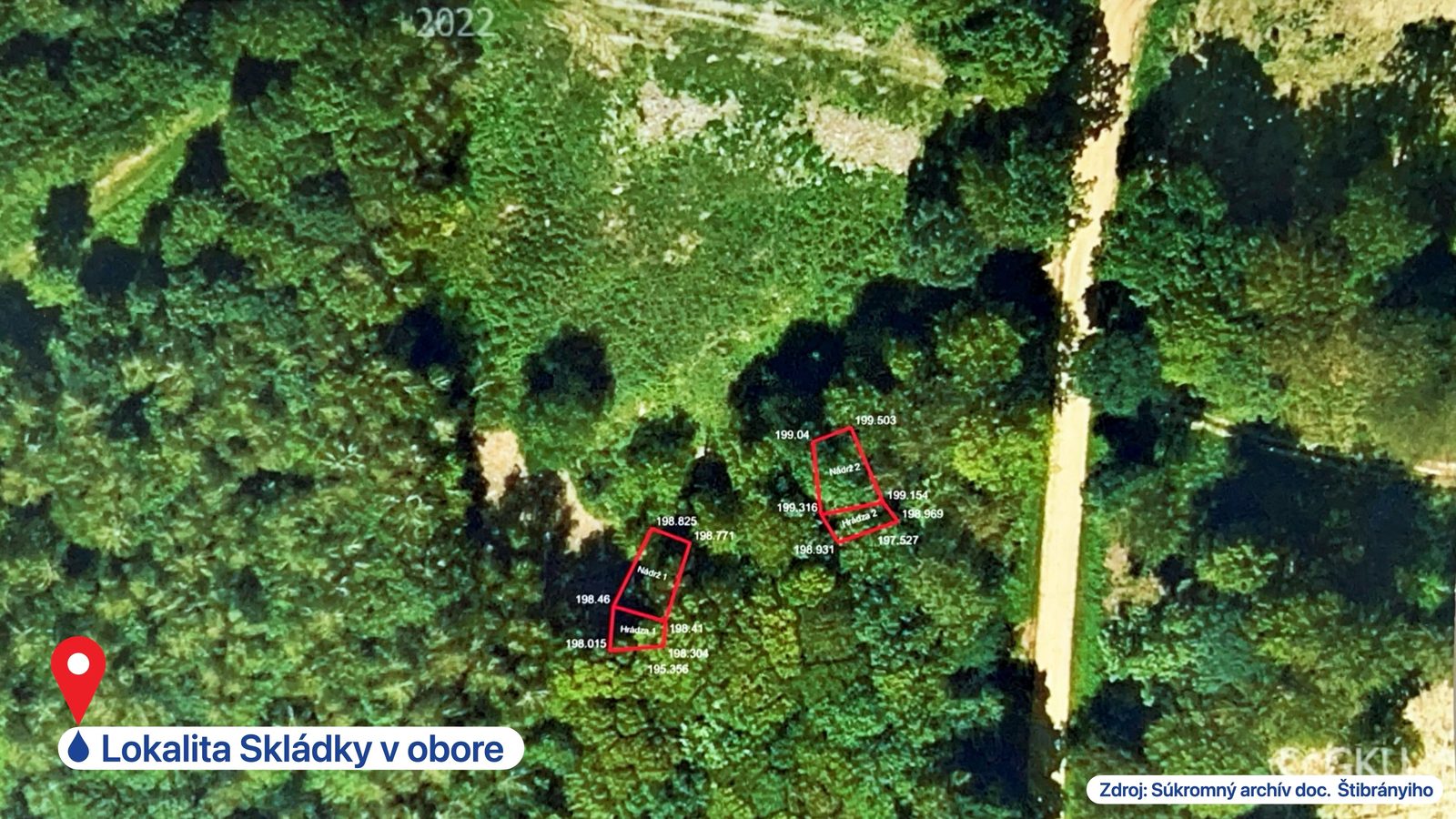
These places were direct hotspots of pollution, from which PCBs spread further. Securing and cleaning them was therefore a necessary first step.
What has already been removed
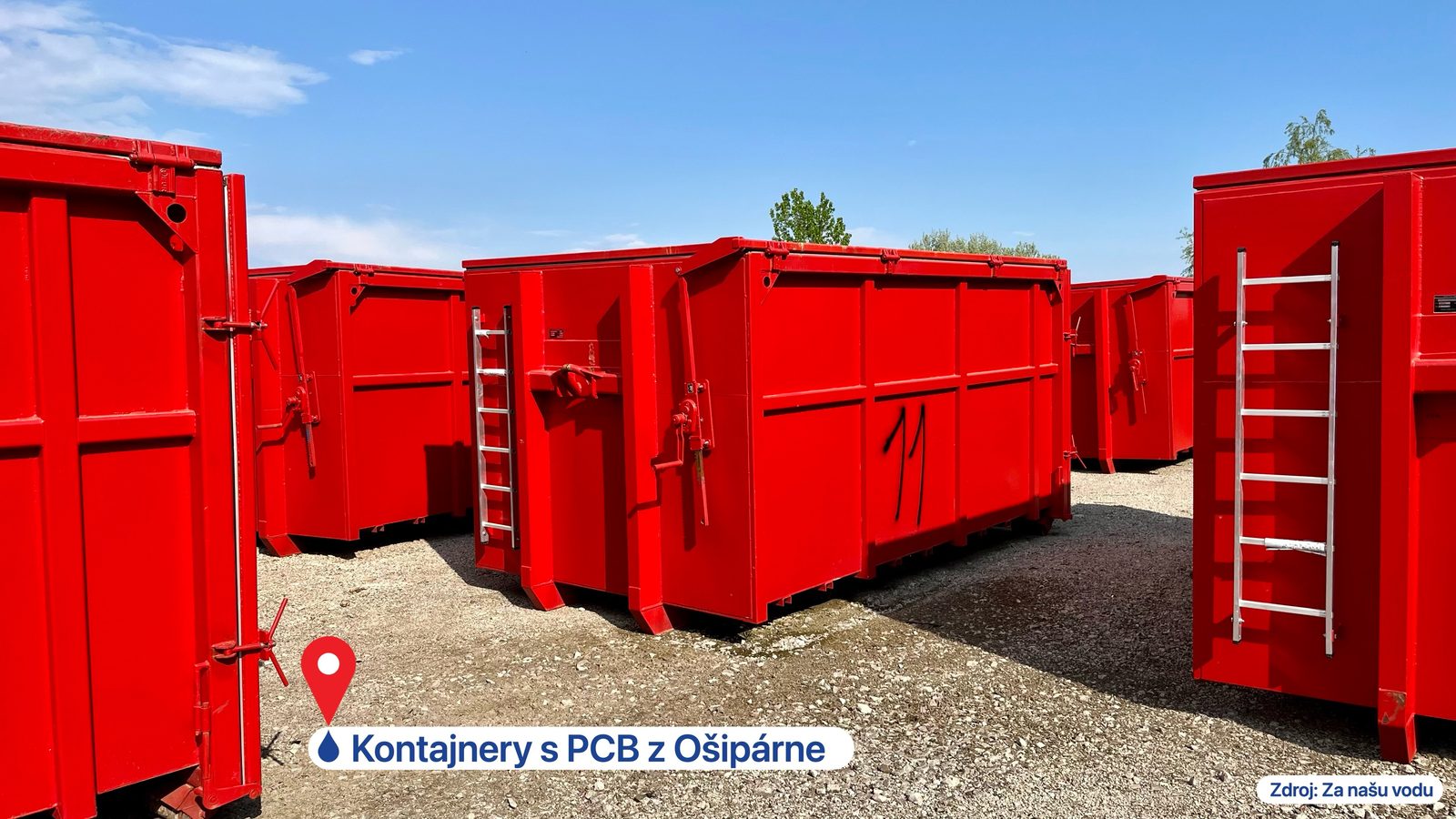
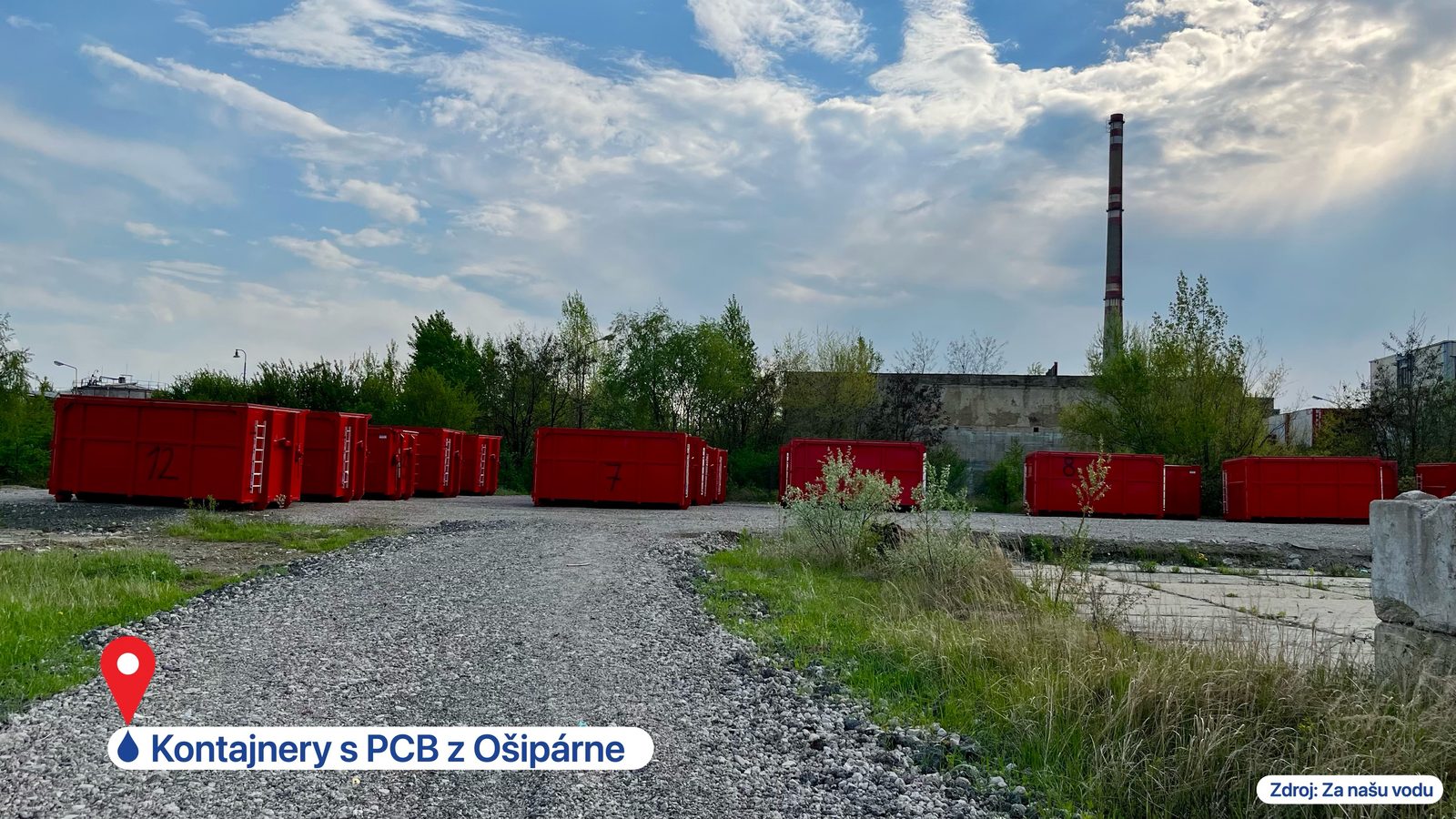
It can be counted as a positive shift that part of the most hazardous waste was physically removed from one of the buildings. During intensive operations, more than 150 tonnes of distillation residues were loaded and packed from the store in the former piggery and placed in special containers.
This step mattered because it was waste with a very high PCB content, which posed a direct risk. It was then prepared for handover for thermal destruction, that is, incineration in a facility intended for the disposal of hazardous waste. For waste this concentrated, thermal destruction is regarded as the most effective method.
It is also good news that funding from public sources was obtained for this part of the solution, and that a contractual continuation of the process was secured. It shows that when specialist preparation, a technical solution and political support come together, real progress is possible.
Why disposal is so demanding
Even though part of the waste has already been secured, the PCB problem around Strážske is much wider. It is not only about drums and stored residues, but also about contaminated soil, waste channels, sediments and watercourses. Those are the most complicated part of the whole problem.

Removing contaminated drums is technically demanding, but it is still a relatively clearly defined intervention. It is much more complicated to deal with an area where PCBs have already dispersed into the environment. In that case various technologies come into consideration, from thermal methods through sorbent materials to other decontamination procedures. They all have one thing in common: they are technically complicated and financially very demanding.

That is why, in practice, solutions are often sought that combine an immediate reduction of the risk with longer-term interventions. The aim is not only to remove the source, but also to stop the contamination from reaching plants, animals and people any further.
Sediments of the Laborec and the Zemplínska šírava
Contaminated sediments in the Laborec and in the wider water system are a chapter of their own. PCBs bind to fine particles and settle on the bottom. When the sediments are stirred up, dry out, or the water moves them, the contamination can enter circulation again. That means that even if the source no longer leaks as intensely as it once did, the old deposits remain a problem.
In the case of the Laborec, there is talk, for example, of the need to separate the water technically from the most contaminated sections, so that it is not in constant contact with the affected soil and does not wash it out. Such solutions need not mean the complete elimination of the contamination, but they can significantly limit its further spread.
At the Zemplínska šírava the problem is similar. If the water level changes and the sediments are exposed, the contaminated layers can come into contact with the surroundings again. It is therefore clear that this is a long-term ecological burden that cannot be solved by a single intervention in a single place.
What solutions research offers
Research and the development of new technologies play an important role in the solution. One route is sorbents, materials that can bind PCBs from water and thereby limit their transfer into plants and animals. The idea is simple: if the contaminants can be captured while they are still in the water, they will not go further into the food chain.
Such an approach could matter especially where it is not realistic to remove all the contaminated soil or sediments immediately. The aim is to interrupt the path of PCBs to people, even if the ecological burden in the area has not yet disappeared completely. These are also technologies that could be used for other kinds of pollution, for example some pesticides.
Research therefore shows not only the scale of the problem, but also that there are real scientific ways to improve the situation. Using them, however, again depends on long-term support and investment.
What this means for the people of the region
For people living in the affected area, the most important thing to understand is that the PCB problem has not disappeared, but that it cannot be described as hopeless either. The situation is gradually changing, and some indicators suggest that, with the right measures, the contamination can fall. That does not mean the risk no longer exists.
From a practical point of view, what matters above all is minimising the entry of PCBs into the food chain. That concerns especially local food production in contaminated localities and the consumption of food that can carry PCBs. The problem is that it is not easy for ordinary residents to assess the level of risk every day, so they must have clear information and working measures from the state and from specialist institutions.
A problem that requires long-term will
The case of PCBs around Strážske shows that ecological burdens do not arise from one day to the next, and that they cannot be removed quickly either. It is a long-distance run in which specialist knowledge, technology, financing and political decisions have to meet. Without that, even the best solutions remain only on paper.
It is also a warning that society must not underestimate the consequences of industrial pollution, or of illegal or irresponsible waste handling. What once enters the soil and the water can threaten people for decades more.
Hope exists, but it requires action
Despite the seriousness of the whole situation, an important message comes from the specialist community: solutions exist. They are not simple, they are not cheap, and they will not bring a result from one day to the next, but they are possible. The very removal of part of the hazardous waste shows that, with good coordination, even problems that for years seemed insoluble can be moved.
The most important thing is therefore not to give up. PCBs around Strážske are an example of an ecological burden that deserves the attention of the whole of Slovakia. This is not only a regional problem of the east of the country, but a question of protecting health, water, soil and the trust that even a very difficult environmental inheritance can gradually be brought under control.
Tags: #PCB #Strazske #Chemko #Zemplin #EnvironmentalBurden #ToxicSubstances #SoilPollution #WaterPollution #Laborec #ZemplinskaSirava #PublicHealth #EcologicalDisaster #Decontamination #Environment