
 Little Danube
The Little Danube under pressure: what water-quality monitoring showed in 2021–2026
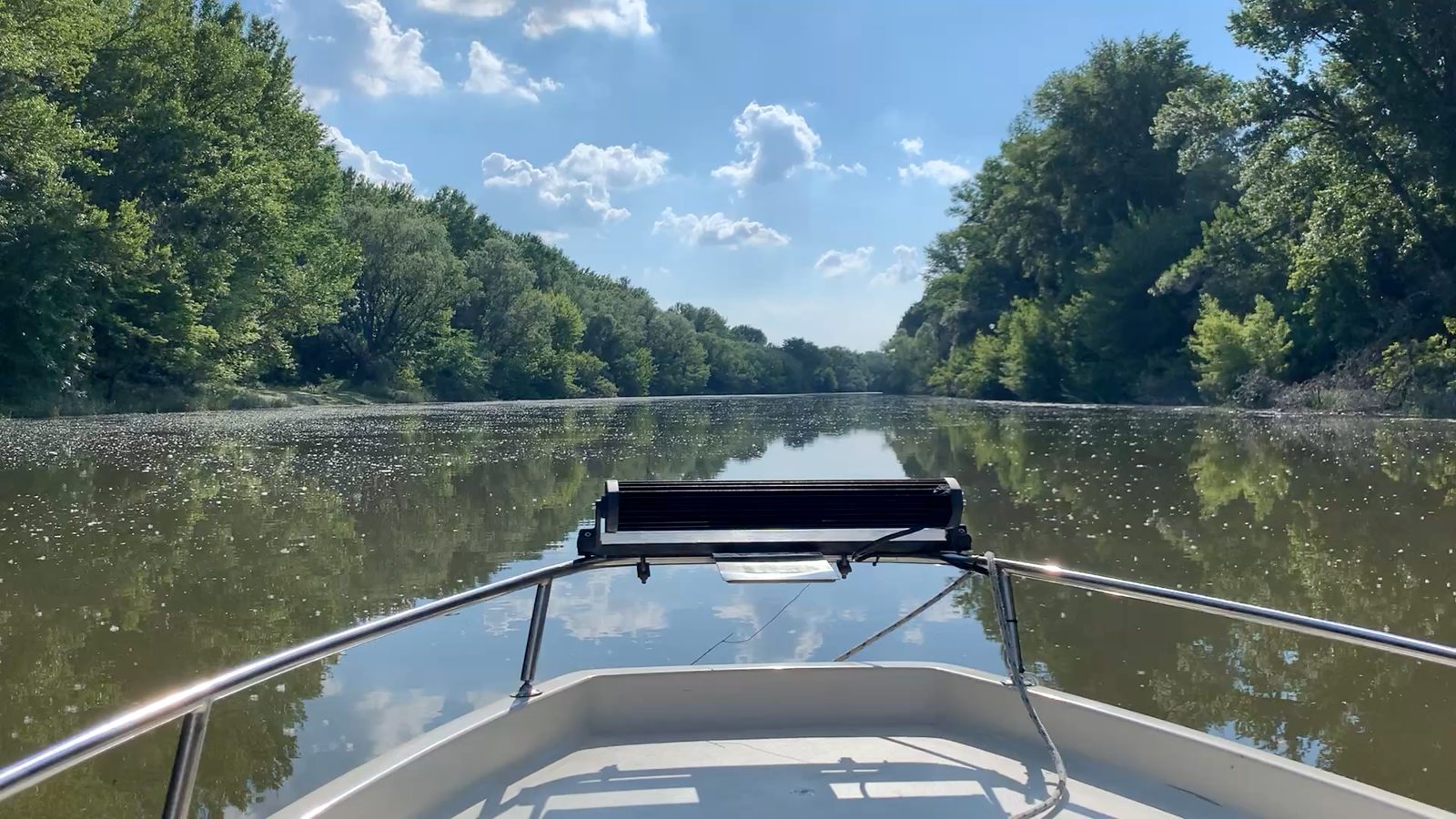
The Little Danube is one of the most important lowland rivers of south-western Slovakia. It has an important natural, recreational and landscape-forming role, and its surroundings are also part of an area of extraordinary importance for nature conservation and water resources. Monitoring carried out in 2021–2026 showed, however, that the water quality of the Little Danube is in many places strongly affected by municipal wastewater treatment plants, sewer overflows, industrial sources and agriculture.
The water-quality monitoring project was created in cooperation between the civic association Za našu vodu and the Kúšik Family Foundation. Its aim was to identify the main sources of pollution, assess their effect on the river and propose measures that can improve water quality and the ecological state of the river. The monitoring included sampling across the four seasons and chemical and microbiological analyses at selected points on the river and at potential sources of pollution.
Point sources of pollution are the greatest problem
The results show that the strongest negative effect on the Little Danube comes from point sources, above all outflows from municipal wastewater treatment plants and from overflow structures of sewer systems. Industrial and agricultural pollution also appears locally.
The most problematic were the substances and indicators linked to organic pollution, the oxygen regime and an excess of nutrients. These are above all chemical oxygen demand CODCr, biochemical oxygen demand BOD5, ammoniacal and total nitrogen, and total phosphorus. In some localities oil substances, benzene, AOX, pesticides and their metabolites also appeared.

The difference between the quality of the water arriving from the Danube and the state at some sources of pollution is significant. The reference profile at the inflow into the Little Danube showed relatively favourable quality for the basic parameters. Total phosphorus reached about 0.05 to 0.064 mg/l against a limit of 0.4 mg/l, total nitrogen 1.22 to 2.39 mg/l against a limit of 9 mg/l, and BOD5 about 1 to 1.3 mg/l against a limit of 7 mg/l.
Even the water entering the Little Danube is not completely free of chemical load. Elevated AOX values and the herbicide metabolite AMPA were recorded, for example, and in the spring sample also petroleum hydrocarbons C10–C40 above the maximum permitted concentration, and trace concentrations of some pharmaceutical and pesticide substances.
Extraordinarily high values were found at some treatment plants
The most serious results came from samples at some municipal wastewater treatment plants. In individual cases the limits were exceeded several times over, and in some cases by tens or hundreds of times.
At the Most pri Bratislave treatment plant, CODCr values of up to 1,590 mg/l were recorded against a limit of 35 mg/l, BOD5 of up to 310 mg/l against a limit of 7 mg/l, total phosphorus of up to 29 mg/l against a limit of 0.4 mg/l, and total nitrogen of up to 114 mg/l against a limit of 9 mg/l. Ammoniacal nitrogen reached up to 73.6 mg/l against a limit of 1 mg/l.
A serious signal at the same time was dissolved oxygen of only about 0.27 mg/l, although the report uses 5 mg/l as the reference minimum. The combination of a high concentration of organic substances and nitrogen with an extremely low oxygen content means a high oxygen load once the water is discharged into the river.
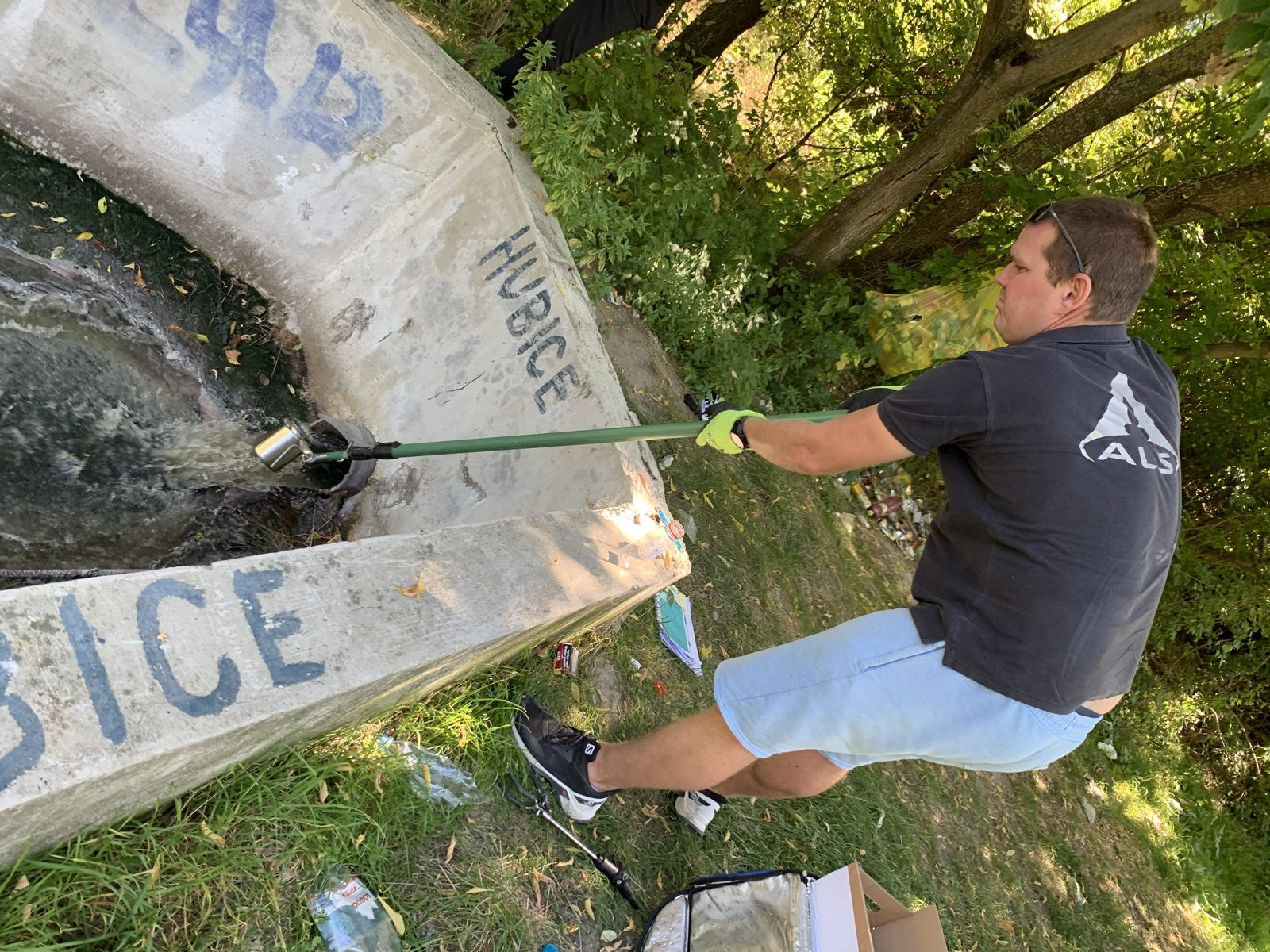
Marked problems were also recorded at the Hubice treatment plant. Ammoniacal nitrogen ranged from about 73.5 to 84.4 mg/l, BOD5 reached up to 375 mg/l and CODCr up to 906 mg/l. Dissolved oxygen in some samples was only 0.24 to 0.46 mg/l.
At the Tomášov treatment plant an extraordinarily high concentration of NEL — non-polar extractable substances, mainly oils and hydrocarbons — was recorded: 1.65 mg/l against a limit of 0.002 mg/l. At the same time there was marked municipal pollution, with a high content of organic substances, nitrogen and phosphorus.
Problems with an excess of phosphorus and nitrogen also appeared at other treatment plants that were monitored, for example in Hurbanova Ves, Zlaté Klasy and Jelka.
Jelka and Jahodná showed a strong pesticide signal
Pesticides and their metabolites are a problem of their own. The strongest signal was recorded by the monitoring at the Jelka treatment plant. AMPA, the main metabolite of glyphosate, reached 8.35 against a limit of 0.1, and 4.26 in the spring sample. Glyphosate itself was also elevated, and metabolites of chloridazon and the insecticide thiamethoxam were recorded.
A pesticide signal also appeared at Jahodná. AMPA reached about 0.325 to 0.392 against a limit of 0.1. In the spring sample, trace concentrations of other pesticides and their metabolites were also found, and the pharmaceutical substance diclofenac.
The results suggest that the presence of pesticides cannot be treated as only a one-off summer phenomenon. Repeated findings in spring and summer correspond to the periods when products are applied in agriculture and the substances are then transported by rain wash-off, drainage systems, groundwater or sewers.
At Slovnaft the pollution had a petrochemical character
The industrial operations of Slovnaft were a separately monitored source. The results there showed a characteristic petrochemical profile.
AOX was repeatedly above the limit of 0.02 mg/l, and in the winter sample it reached 0.102 mg/l. In the summer sample, benzene of 22.7 µg/l was recorded against a limit of 10 µg/l, and in spring petroleum hydrocarbons C10–C40 at a concentration of 75.4 µg/l against a maximum permitted concentration of 50 µg/l.
Such substances matter because of their potential toxicity, their persistence and their ability to bind to sediments. If they occur over a long time or repeatedly, they can pose a risk to aquatic organisms and to the quality of the river ecosystem.
Overflow structures can bring short but very strong pulses of pollution
The monitoring also confirmed the importance of sewer overflow structures. At overflow shaft 1A, values characteristic of untreated or only weakly diluted municipal wastewater were measured in autumn and winter.
CODCr reached 274 to 317 mg/l, total phosphorus 4.45 to 5.41 mg/l and ammoniacal nitrogen 34.9 to 40.8 mg/l. A discharge of this kind can bring a large amount of organic substances and nutrients into the river in a very short time.
Overflowing is therefore ecologically dangerous even when it does not last long. A sudden high load can cause a local drop in oxygen and markedly worsen conditions for aquatic organisms.
The problems of the Little Danube have a long history
The present state did not arise only in recent years. Already in the 1970s and 1980s the Little Danube was strongly affected by industry. Historical data point above all to the load linked to Slovnaft and to wastewater from Bratislava.
At the beginning of the 21st century, excessive concentrations of nutrients, above all phosphorus and nitrogen, microbiological pollution and signs of eutrophication appeared repeatedly in the assessments. The problems therefore change their intensity and character, but several of the basic pressures on the river have persisted for decades.
Today’s state is the result of a combination of municipal and industrial discharges, the agricultural load on the landscape, and the character of the Little Danube itself as a lowland river whose hydromorphology has been altered.
For nitrogen, diffuse transport from the landscape through the soil, drains and groundwater also plays an important role. For phosphorus, by contrast, the share of point sources, above all municipal agglomerations, is significant.
What high concentrations mean for the river
One of the most immediate problems is an oxygen deficit. High BOD5 and CODCr values mean that a large amount of oxygen is consumed as organic substances break down. If, at the same time, water that already contains very little dissolved oxygen enters the river, local hypoxia can occur.
Such a state stresses aquatic organisms and, in an extreme case, can lead to the death of fish and invertebrates. A long-term worsening of oxygen conditions also changes the species composition of the ecosystem in favour of organisms that tolerate pollution.
The second large problem is eutrophication. A high amount of phosphorus and nitrogen supports the excessive growth of algae, cyanobacteria and aquatic plants. The subsequent fluctuation of pH and oxygen further worsens the stability of the river ecosystem.
High concentrations of ammoniacal nitrogen also pose a risk of direct toxicity to fish and invertebrates. When it is biologically converted to nitrates, further oxygen is consumed.
Petroleum hydrocarbons, benzene, AOX and pesticides form a specific group of risks. They can act toxically, accumulate in sediments, or place a long-term load on individual parts of the river ecosystem.
Differences between the seasons
The monitoring ran across the four seasons and, despite the limited number of samples, showed certain recurring patterns.
Winter was often critical for ammoniacal nitrogen and the organic load. Biological processes in treatment plants, above all nitrification, are less effective at lower temperatures, and the problems can worsen further under hydraulic or organic overload.
Spring was not automatically more favourable either. At some treatment plants, extraordinarily high concentrations of pollution appeared precisely in spring. At the same time, wash-off of pesticides and nutrients from agricultural soil can show itself in this period.
In summer the problem is higher water temperatures and lower flows. The river then has less ability to dilute the pollution, and warmer water naturally contains less oxygen.
Climate change can make the existing problems even stronger
Climate change also complicates the future of the Little Danube. For south-western Slovakia, higher temperatures, more frequent and longer heatwaves, more pronounced summer droughts and, at the same time, more intense cloudbursts are expected.
For a lowland river that means a combination of longer periods of low flow and higher water temperature. It is then that the effect of pollution intensifies, the risk of an oxygen deficit and of eutrophication grows, and the river’s ability to cope with further load falls.
Cloudbursts, by contrast, increase the risk of sewer overflows and of the wash-off of sediments, nutrients and pesticides from the landscape.
It is not only aquatic organisms that are threatened. Changes in the hydrological regime also affect oxbows, wetlands, floodplain forests and bank vegetation, which depend for their existence on the availability of water and on a regular hydrological regime.
Better operation of treatment plants can bring the fastest improvement
In the short term, operational optimisation of wastewater treatment plants can be the most effective step.
Where concentrations of ammoniacal nitrogen are high, nitrification needs to be improved, above all by setting aeration, recirculation and the age of the activated sludge correctly. pH and alkalinity also have to be watched, because under unsuitable conditions nitrification itself can lead to a drop in pH and then to a weakening of the process.
For oil substances, the sources of fats and oils entering the sewer can be checked immediately, and the use of grease traps enforced more consistently.
A very important measure is systematic sampling directly upstream and downstream of individual outfalls, so that the real effect of a specific source on the river can be determined precisely.
In the medium term the technology needs to be modernised
Over a horizon of several months to several years, the report recommends introducing online measurement of dissolved oxygen, ammonia and nitrates, which would let a treatment plant be controlled according to the actual state instead of being run “blind”.
A marked improvement can come from chemical precipitation of phosphorus, better management of the sludge system and the removal of unplanned bypasses. If the capacity of the biological stage is insufficient, it may need to be modernised or extended, for example with technologies that support more stable nitrification and denitrification.
Tertiary polishing of the outflow can also matter, for example by sand or disc filtration. For phosphorus, filtration can be combined with chemical precipitation.
For the sensitive area of Žitný Ostrov, the report stresses the precautionary principle. Because of the high groundwater level and the very permeable gravel sediments, solutions must be used in which the risk of pollutants seeping into the groundwater is minimised.
The solution must also reach the landscape and the sewer systems
Treatment plants alone will not solve every problem. A long-term aim must also be to reduce the number and volume of sewer overflows, for example by building retention tanks, managing the sewer network better and gradually separating stormwater from foul sewers.
In the agricultural landscape, the report recommends reducing the transport of sediments, nitrogen, phosphorus and pesticides towards the river. One solution is vegetation and buffer strips along the river and the drainage channels, which slow surface runoff and capture part of the sediment and of the substances bound to soil particles.
In places where water runs off a field in a concentrated way in one direction, a combination of a flow spreader and a vegetated filter strip can be more effective, turning a concentrated wash-off into sheet flow. For critical localities the report cites vegetation strips typically about 10 to 20 metres wide.
Over the long term, the restoration of wetlands, better connection of river arms, retention measures in the landscape and near-natural treatment of the banks also matter.
Monitoring must continue
One of the most important conclusions of the project is that one-off measurements on their own are not enough. The Little Danube is affected by a combination of sources whose importance changes with the weather, the season, the flow and the operation of individual facilities.
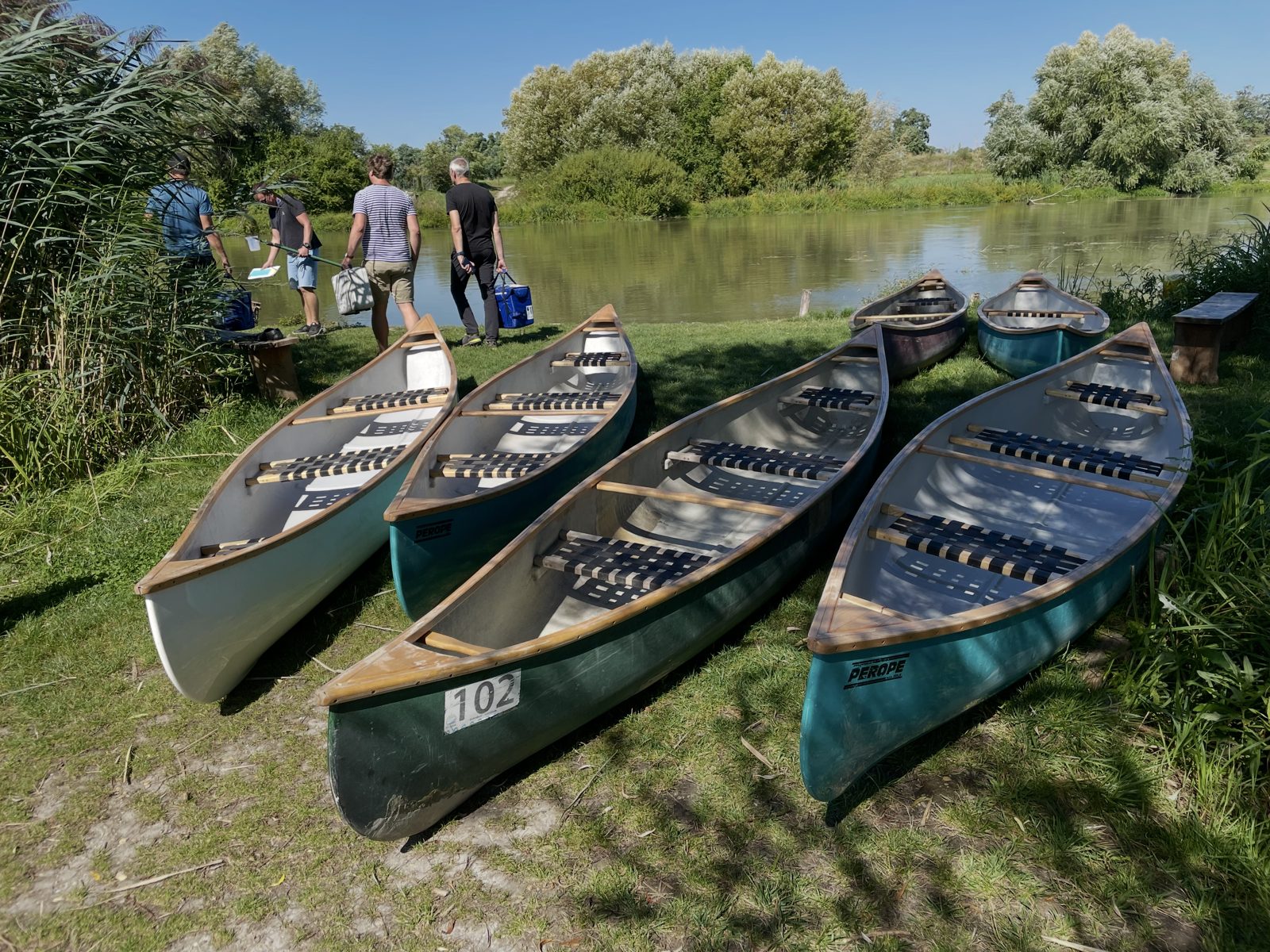
Regular monitoring is therefore essential not only for identifying problems, but also for verifying how effective the measures that have been taken are. Measurements should link data taken directly at the sources with water quality upstream and downstream of their outfalls.
It is also important to watch water temperature, dissolved oxygen, low water levels, the occurrence of cyanobacteria and other indicators of ecological stress. Such a system can make it possible to react to critical situations in time, before more serious ecological damage occurs.
Improving the Little Danube is possible, but it requires a joint approach
Monitoring from 2021–2026 shows that the pollution of the Little Danube cannot be attributed to a single source. It is a combination of municipal wastewater, sewer overflows, industrial load, agriculture and historical influences acting on an ecologically sensitive lowland river.
The greatest room for rapid improvement is the stabilisation and modernisation of wastewater treatment plants and the control of the most significant point sources. Over the long term, however, the sewer infrastructure, wash-off from the landscape, the river’s hydrological regime and adaptation to climate change will also have to be addressed.
According to the results of the project, an improvement in water quality in the Little Danube is realistically achievable. The condition is that monitoring, concrete operational interventions and investment are linked, and that municipalities, treatment-plant operators, water-management organisations, the specialist public and other actors coordinate. Such an approach will make it possible not only to remove individual sources of pollution, but gradually to improve the state of the whole river ecosystem.